

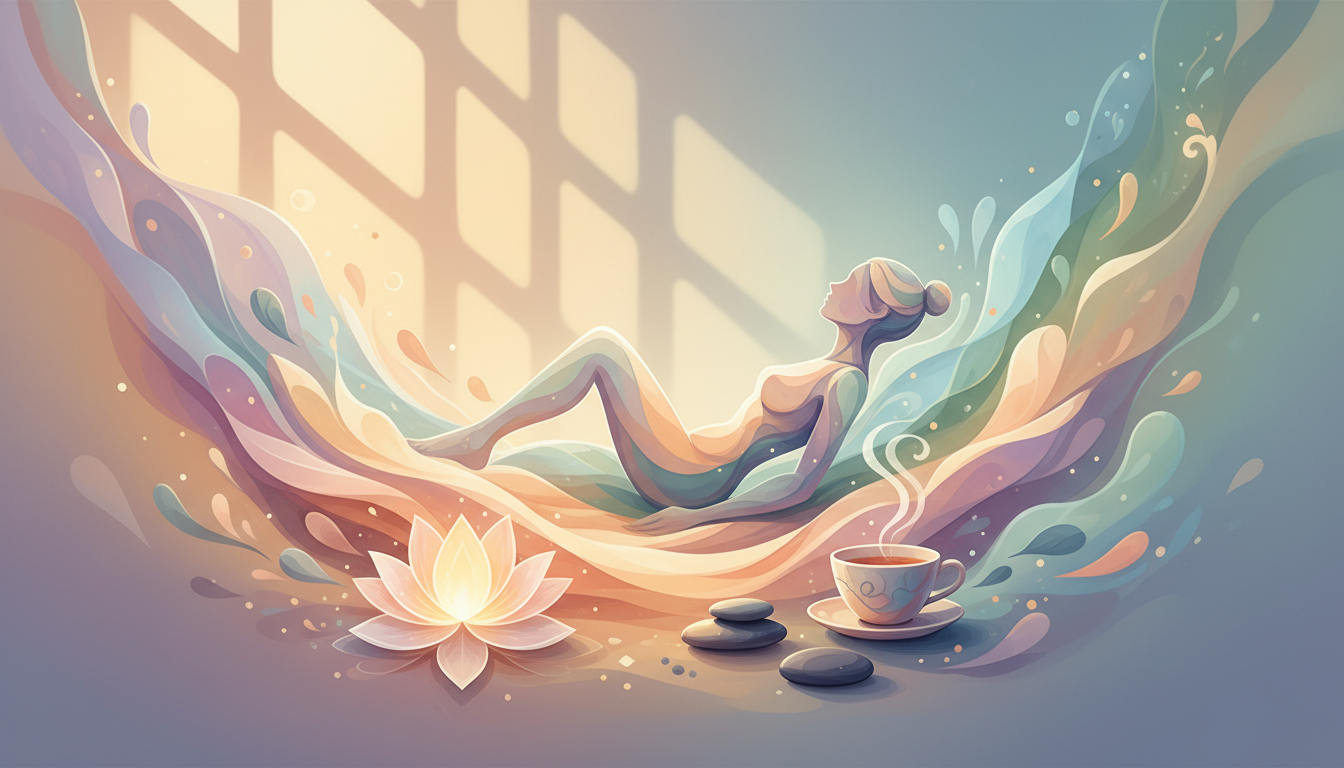
Burnout isn’t just a temporary state of tiredness; it is a profound depletion of your physical, emotional, and mental resources. In a world that prizes constant productivity, stepping back to heal can feel counter-intuitive or even guilt-inducing. However, embracing a burnout recovery plan aesthetic allows you to transform the clinical process of healing into a beautiful, sensory-rich journey that honors your need for rest.

Redefining Recovery: The Burnout Recovery Plan Aesthetic
The concept of a burnout recovery plan aesthetic is more than just a social media trend; it is a psychological tool. By intentionally curating your surroundings, you signal to your nervous system that the “danger” of the hustle is over. This aesthetic approach helps bridge the gap between “surviving” and “thriving” by making the act of rest feel like a curated choice rather than a failure.
Table of Contents
Why Visual and Sensory Cues Matter in Healing
Environmental psychology suggests that our physical surroundings directly impact our cortisol levels and overall stress response. When you implement a burnout recovery plan aesthetic, you are essentially “hacking” your brain’s relaxation response through soothing colors and soft textures. According to the occupational phenomenon resulting from chronic workplace stress, burnout is an occupational phenomenon that requires structured recovery to avoid long-term health issues.
Romanticizing your recovery is about finding the beauty in the mundane tasks of healing. Instead of seeing a nap as a waste of time, view it as a “recharging ritual” in a perfectly dimmed room. This shift in perspective makes the slow, often frustratingly quiet process of recovery far more sustainable for those used to high-octane environments.
Setting Intentions Over Goals
Traditional recovery often fails because it applies the same “hustle culture” metrics to healing. A true burnout recovery plan aesthetic prioritizes intentions—how you want to feel—over goals—what you want to achieve. Instead of aiming to “get better by Monday,” set an intention to “experience softness throughout the day.”
Defining your personal “vibe” is a creative way to ground yourself during this transition. You might lean into a soft girl era filled with pastels and gentle movements, or perhaps a minimalist zen approach that clears the mental clutter. Creating a physical or digital vision board can serve as a visual anchor, reminding you of the peace you are working to cultivate. curating a personalized self-care basket
Curating Your Physical Sanctuary for Rest
Your home should be a sanctuary, not an annex of your office. To successfully execute a burnout recovery plan aesthetic, you must audit your space for “stress triggers” like piles of mail or visible charging cables. Designing for the senses allows your body to drop out of “fight or flight” mode and into “rest and digest.”
Sensory Design for a Calming Home
Lighting is arguably the most important element in your burnout recovery plan aesthetic. Swap harsh overhead LEDs for warm lamps, fairy lights, or candles to mimic the natural progression of sunset. Research shows that identifying the clinical symptoms of burnout warm light helps the brain produce melatonin, which is often suppressed during periods of high stress.
Incorporating natural elements is another pillar of this healing aesthetic. Bring the outdoors in with low-maintenance plants like snake plants or pothos, which improve air quality and provide a calming green visual. Use aromatherapy as a sensory anchor; diffusing lavender or eucalyptus can instantly signal to your brain that it is time to decompress.
The ‘Safe Space’ Corner
Every recovery plan needs a dedicated “Safe Space” corner—a zone where no work is allowed. This could be a window seat or a floor pillow setup dedicated solely to reading, meditation, or staring out the window. The burnout recovery plan aesthetic emphasizes tactile comfort, so don’t shy away from heavy knits and silk textures.
Consider the benefits of a weighted blanket, which provides deep pressure stimulation to reduce anxiety. Keep this area a strict tech-free zone to facilitate true mental decompression. By physically separating your “rest space” from your “digital space,” you create a sanctuary that your mind can trust.

The Slow Living Morning Routine Aesthetic
The way you start your day sets the tone for your nervous system’s resilience. A burnout recovery plan aesthetic replaces the frantic “alarmed rush” with a series of slow, intentional movements. This isn’t about being productive; it’s about being present with yourself before the world demands your attention.
Soft Awakenings vs. The Alarmed Rush
Ditch the blaring phone alarm for a sunrise lamp that gradually brightens your room with warm light. If you prefer sound, choose gentle bird chirps or soft piano melodies that coax you out of sleep rather than jolting you. This prevents a “cortisol spike” the moment you open your eyes, a key factor in a burnout recovery plan aesthetic.
The “first hour” rule is essential: no digital notifications for at least 60 minutes after waking. Instead, create a hydration ritual using aesthetically pleasing glassware. Whether it’s lemon-infused water or a high-quality matcha, the act of pouring and sipping mindfully is a grounding exercise for a frazzled mind.
Mindful Movement and Grounding
Forget high-intensity interval training when you are in the thick of burnout. Instead, embrace restorative yoga or “cozy cardio”—walking in place while watching a comforting show or listening to soft music. These low-impact movements help release stored somatic tension without taxing your already exhausted adrenal glands.
A morning walk can also be part of your burnout recovery plan aesthetic if done mindfully. Try walking without a podcast or music, simply observing the textures of the trees and the color of the sky. This practice of “noticing” helps transition your brain from an internal loop of worry to an external state of appreciation.
Digital Minimalism and Unplugging with Style
Your digital environment is just as real as your physical one. A burnout recovery plan aesthetic requires a ruthless culling of digital noise that drains your energy. If your phone feels like a source of anxiety, it is time to redesign your relationship with technology.
Culling the Digital Noise
The “Mute” and “Unfollow” buttons are your best friends in a burnout recovery plan aesthetic. Curate your social media feed to include only content that feels like a “deep breath”—art, nature, or calming interiors. If an account makes you feel “not enough” or sparks a “comparison trap,” it has no place in your recovery journey.
Try the greyscale phone hack to make your screen less stimulating. By removing the vibrant colors that apps use to grab your attention, you significantly reduce the dopamine loops that keep you scrolling. Setting these boundaries is a radical act of self-care.
Analog Alternatives to Screen Time
One of the most satisfying parts of a burnout recovery plan aesthetic is rediscovering analog joys. Physical books offer a tactile experience that e-readers simply cannot match. There is a specific kind of magic in the smell of paper and the sound of a turning page that grounds you in the physical world.
- Handwriting letters: Connect with loved ones through the slow medium of pen and paper.
- Common-place books: Keep a journal of beautiful quotes, sketches, and thoughts.
- Vinyl or Lo-fi: Use music as a background texture rather than a foreground distraction.

Nourishing Your Soul: Food and Creative Flow
When you are burnt out, food often becomes an afterthought or a source of stress. A burnout recovery plan aesthetic reframes nutrition as a form of “soul-nourishing” art. By slowing down the process of preparation and consumption, you turn a biological necessity into a healing ritual.
The Aesthetic of Mindful Eating
Focus on colorful, whole foods that are known to support brain health, such as berries, leafy greens, and fatty fish. In a burnout recovery plan aesthetic, the presentation is just as important as the ingredients. Plating your food beautifully—even if it’s just a simple snack—honors your body’s needs and makes the experience feel special.
Make meal prep a ritual by playing calming music and focusing on the sensory details: the scent of fresh herbs, the crunch of vegetables, and the warmth of the stove. designing a mindful morning routine This transforms a “chore” into a meditative practice that anchors you in the present moment.
Low-Stakes Creative Expression
Burnout often kills creativity, but “low-stakes” art can actually help bring it back. Engage in ugly journaling or intuitive painting, where the goal isn’t to create a masterpiece but to release pent-up emotion. This is a core component of a burnout recovery plan aesthetic because it removes the pressure of perfection.
Hobbies like knitting, gardening, or pottery are incredibly therapeutic because they require repetitive, rhythmic motions. These activities induce a “flow state” that allows the brain to rest from analytical thinking. Remember, hobby-hopping is perfectly okay; your brain is simply searching for what feels most restorative at the moment.
Sustaining the Glow: Long-Term Burnout Prevention
Recovery isn’t a destination; it’s a lifestyle shift. To maintain the benefits of your burnout recovery plan aesthetic, you must build permanent scaffolds that protect your peace. This means moving from a “crisis mode” of recovery into a “prevention mode” of daily living.
Setting Aesthetic Boundaries
Learning to say “no” is the ultimate boundary-setting tool. In your burnout recovery plan aesthetic, “no” is a protective barrier that keeps your energy from being siphoned away by unnecessary obligations. Create a work-life partition by using physical cues, like changing into “home clothes” or lighting a specific candle, to signal the end of the workday.
Establish a weekly “reset day” that isn’t about being productive, but about setting yourself up for a calm week. This might involve light chores, fresh flowers, and a mental check-in. By building these small resets into your schedule, you prevent the slow “creep” of exhaustion from returning.
Visualizing Your Progress
Tracking your healing journey can be incredibly motivating. Use a habit tracker that feels like art—perhaps a “mood mandala” or a color-coded chart—rather than a rigid checklist. Seeing a burnout recovery plan aesthetic reflected in your tracking makes the process feel rewarding and creative.
Reflect on your progress through monthly “photo dumps” or journals that focus on moments of peace and beauty. Celebrating small wins—like finally finishing a book or sleeping through the night—with gentle rewards reinforces your commitment to healing. establishing sustainable healthy habits
Quick Tips for an Aesthetic Recovery
- Use warm lighting (2700K or lower) to signal rest to your brain.
- Introduce natural textures like linen, wood, and stone into your workspace.
- Keep a “joy list” of small, aesthetic things that make you smile.
- Practice “digital sunsets” by turning off screens two hours before bed.
- Focus on monotasking; do one thing at a time with full presence.

Embracing a burnout recovery plan aesthetic fosters a holistic approach to healing, emphasizing the importance of internal well-being alongside external appearances. Engaging in reflective practices, such as documenting your journey through visual or written expressions, cultivates an environment of appreciation for your progress. By acknowledging and celebrating incremental achievements, you reinforce your dedication to establishing sustainable healthy habits. This intentional focus on nurturing both the mind and body is essential for restoring balance and vitality in your life.